Tap or click the game to give it focus. Turn your sound on.Open in a new tab
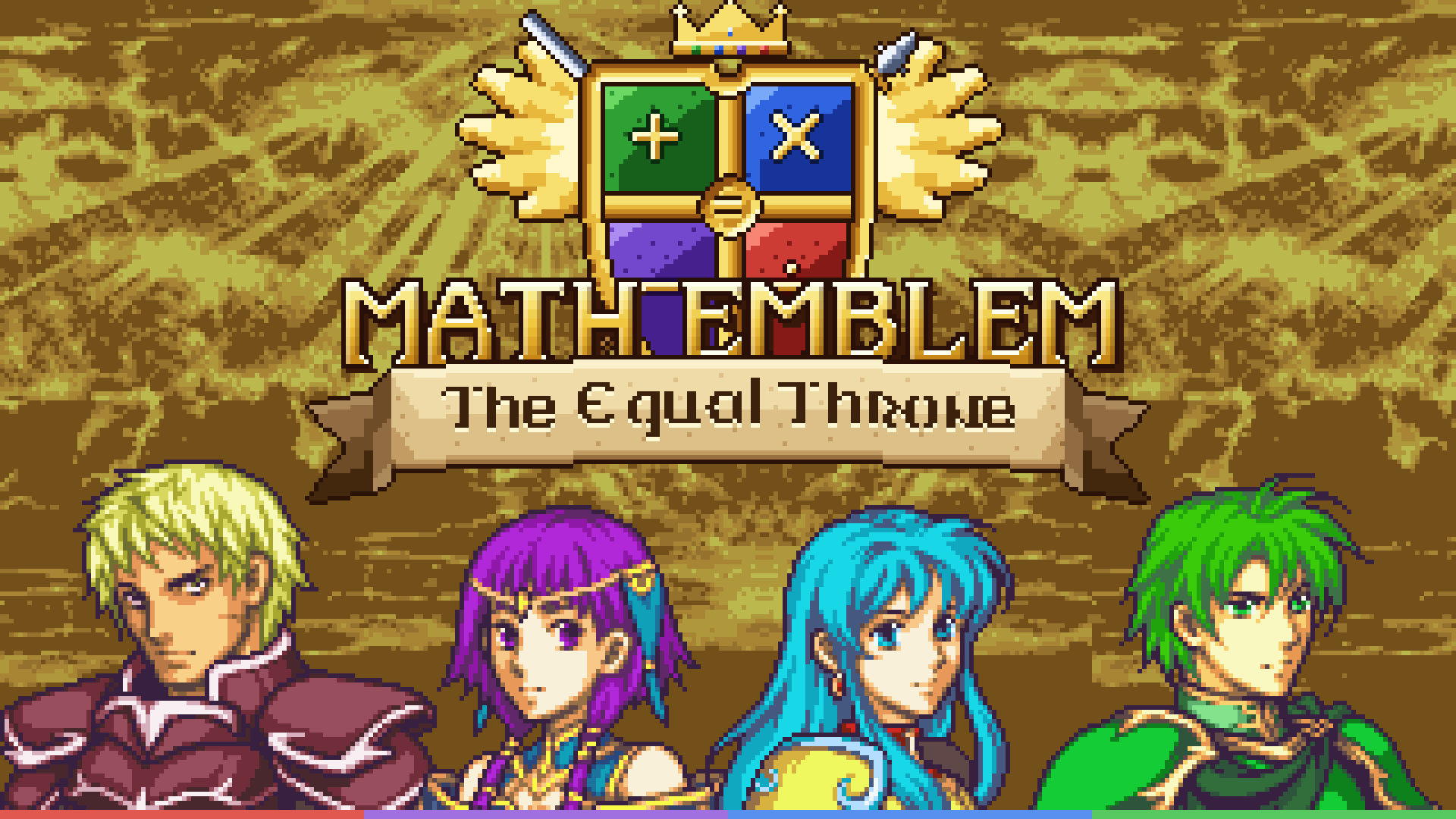
A GBA-style tactics game where every blow is a math question.
The Crown of Equals has broken into four sigils, and four noble houses march on the empty Equal Throne of Mathmatica. Choose Plus, Minus, Times or Divide, then lead your army across four battlefields in the style of The Sacred Stones.
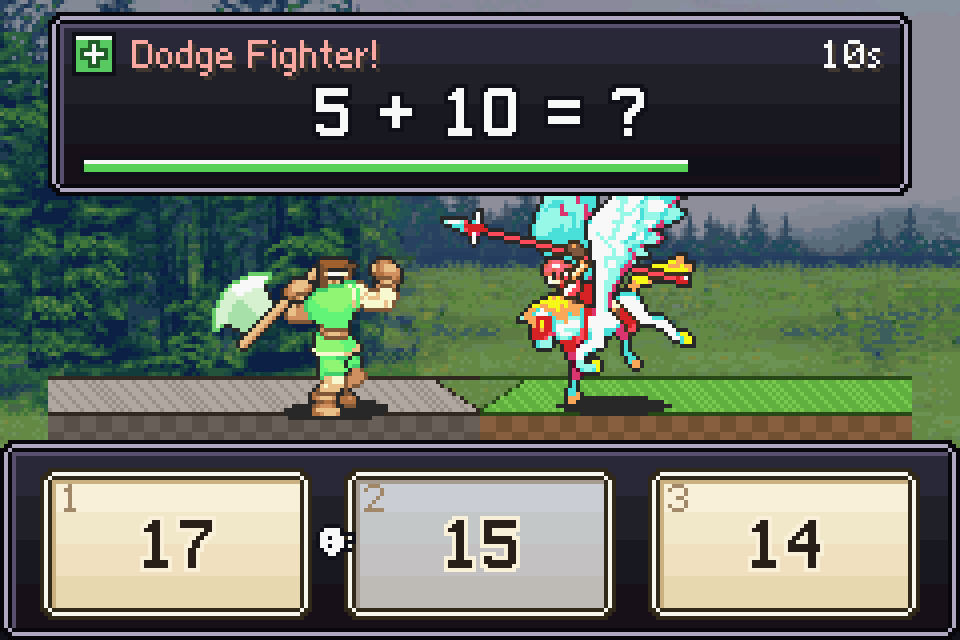
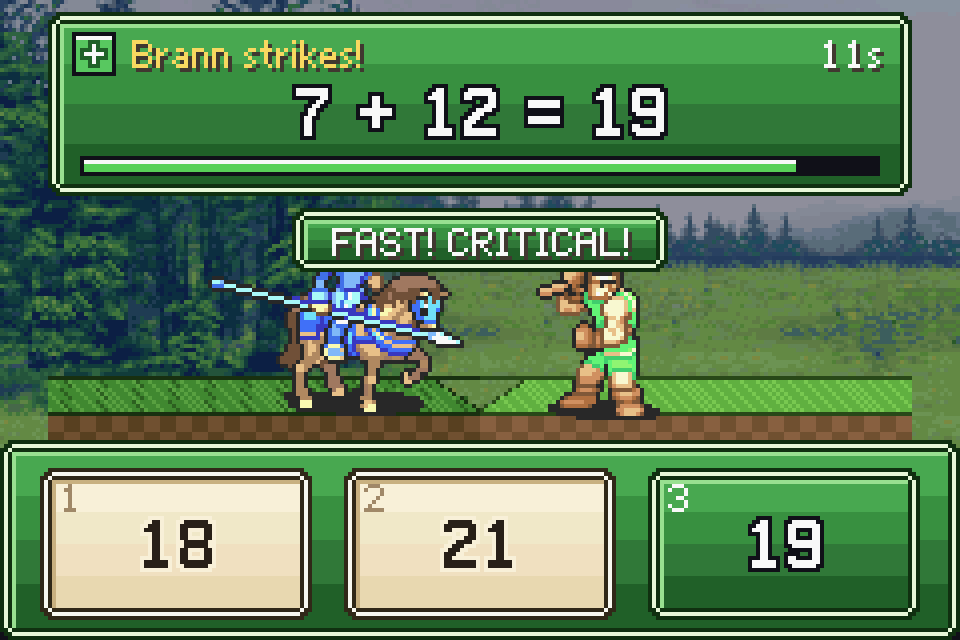
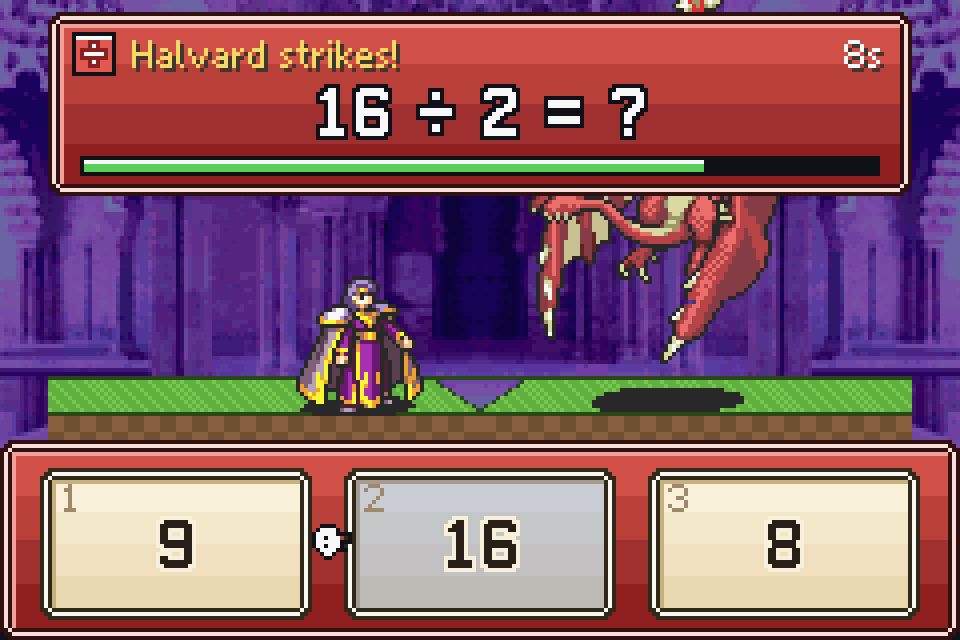
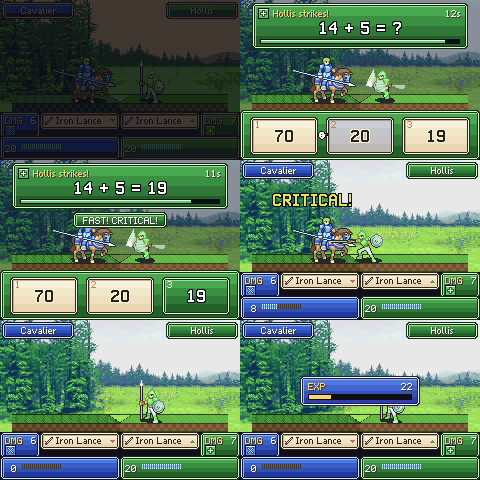
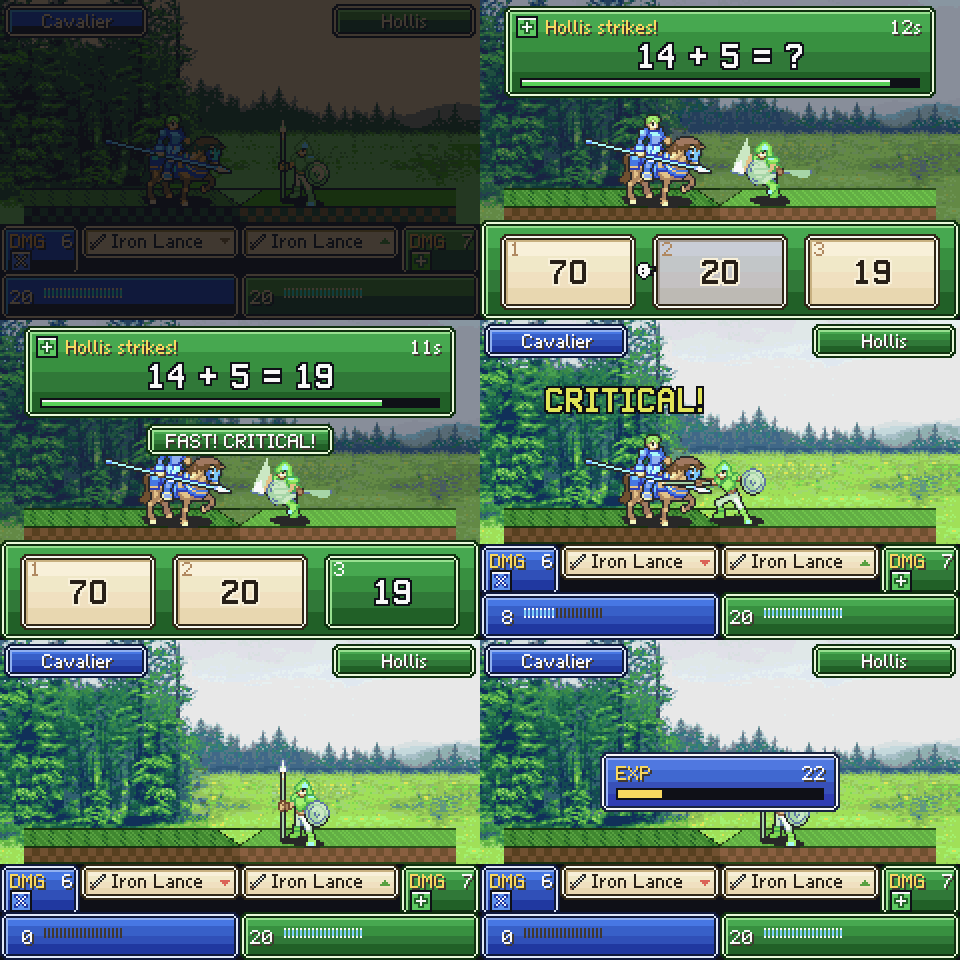
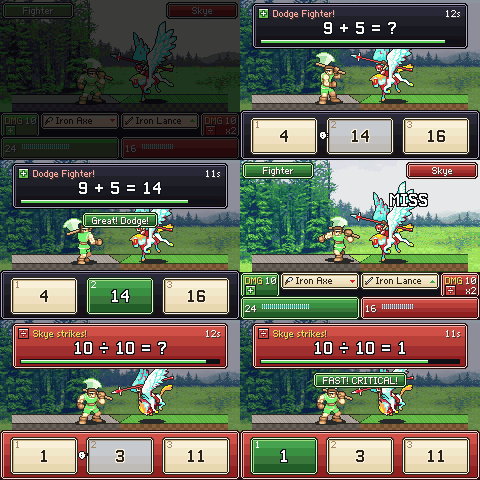
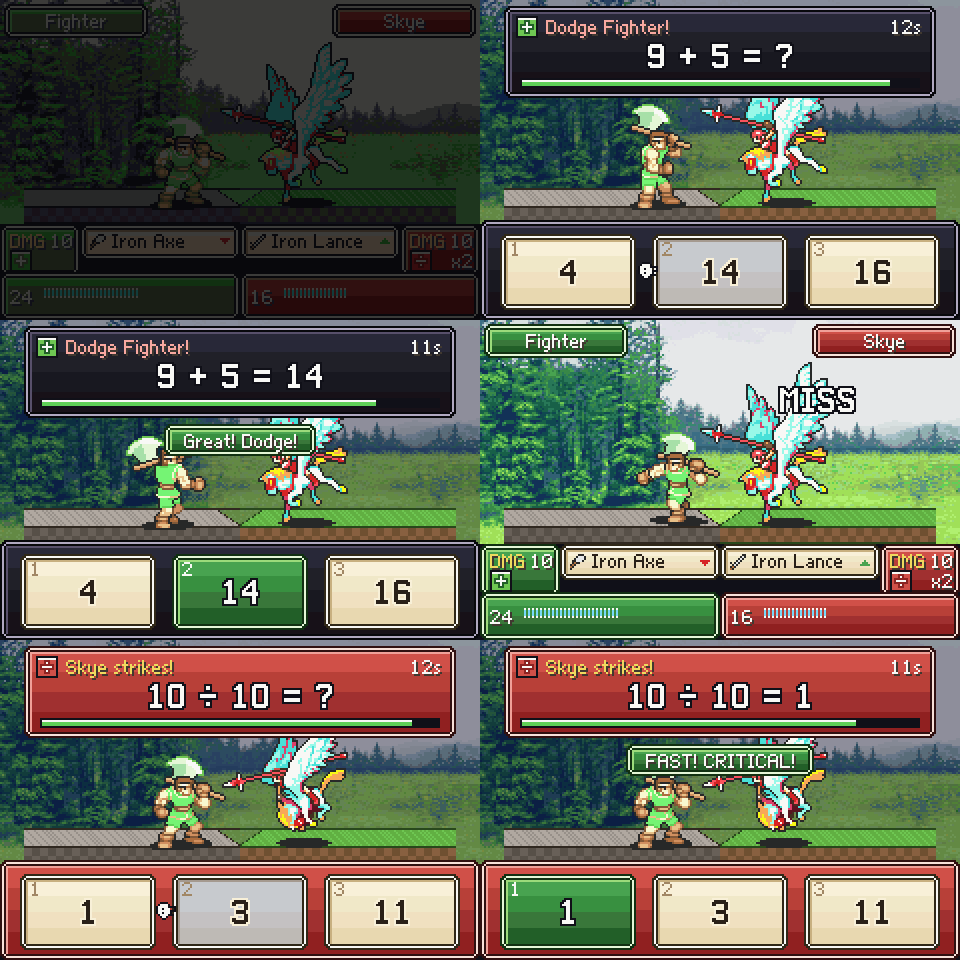
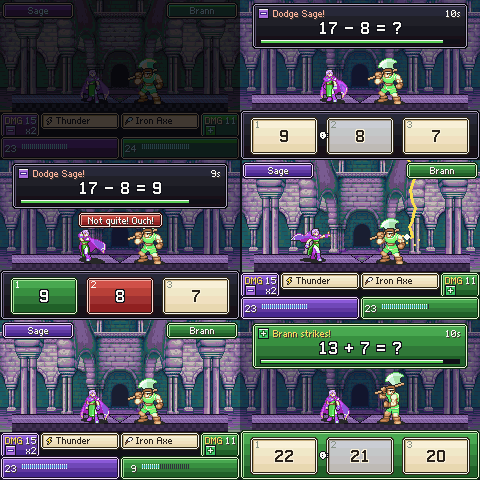
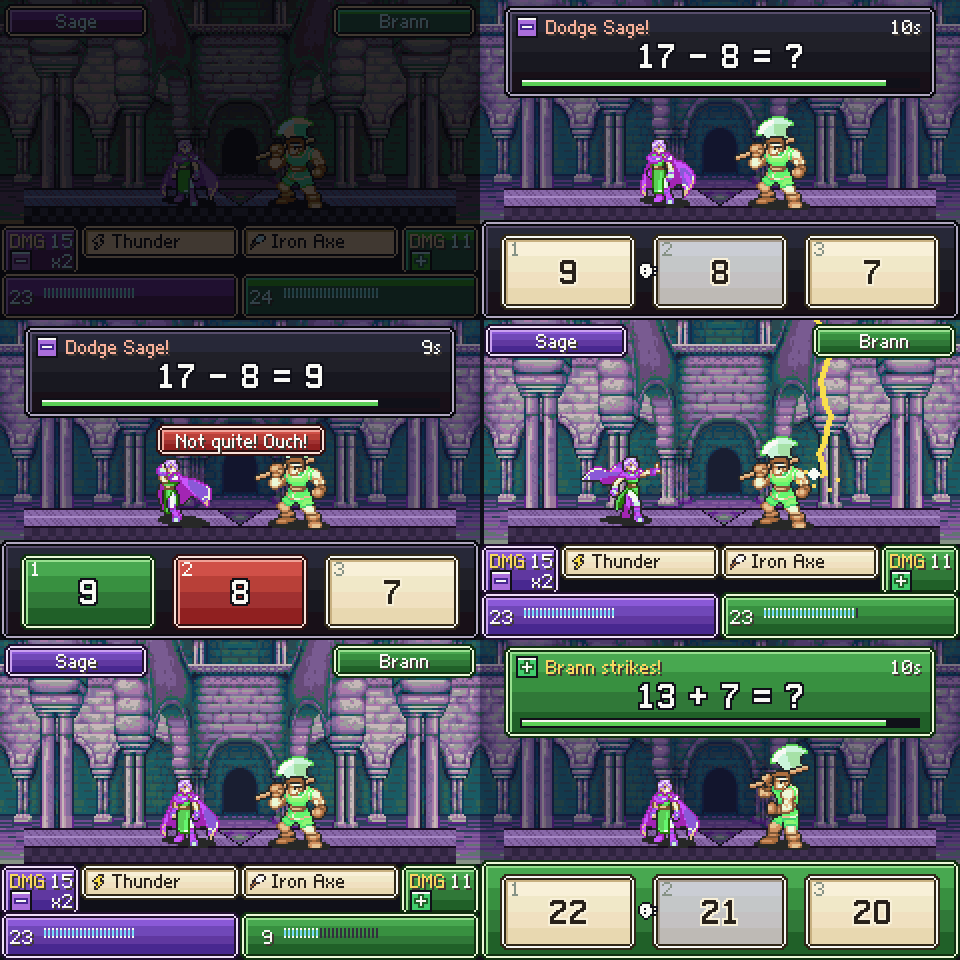
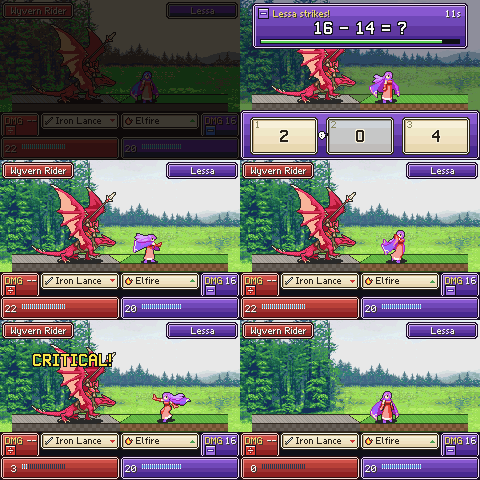
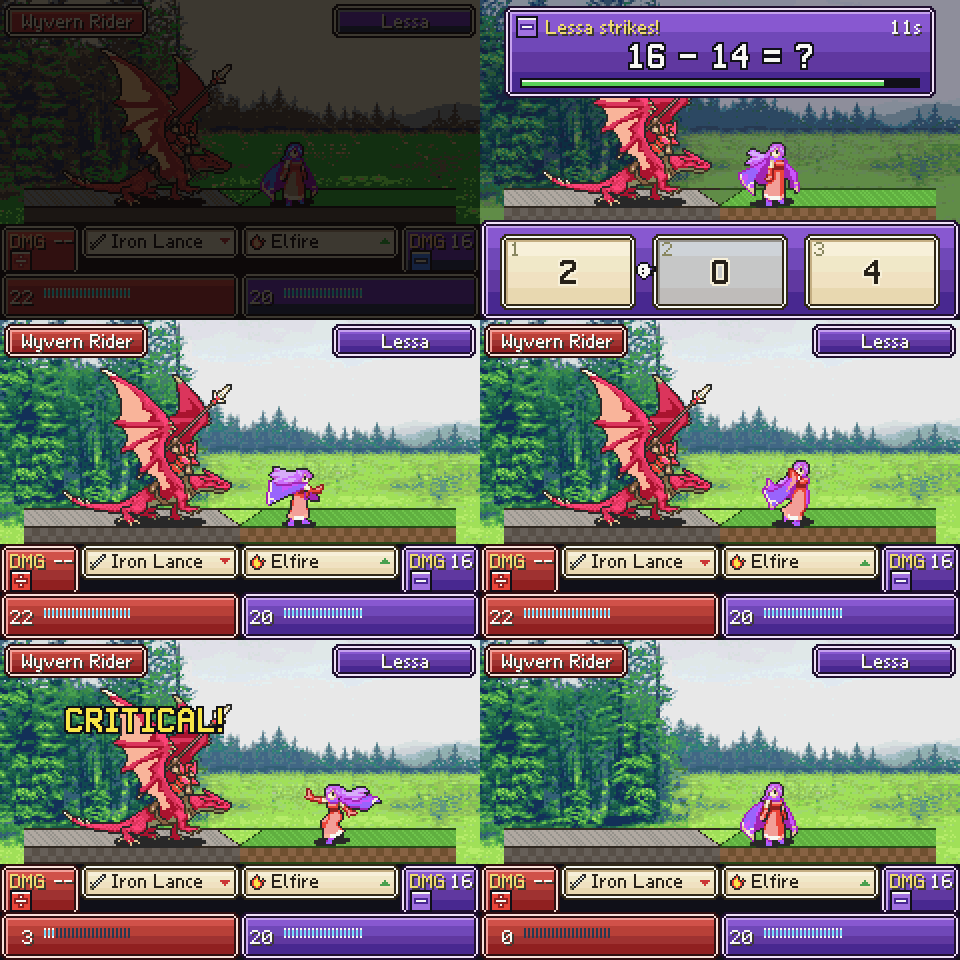
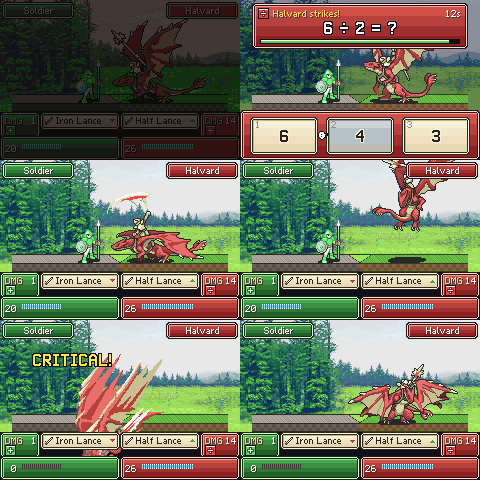
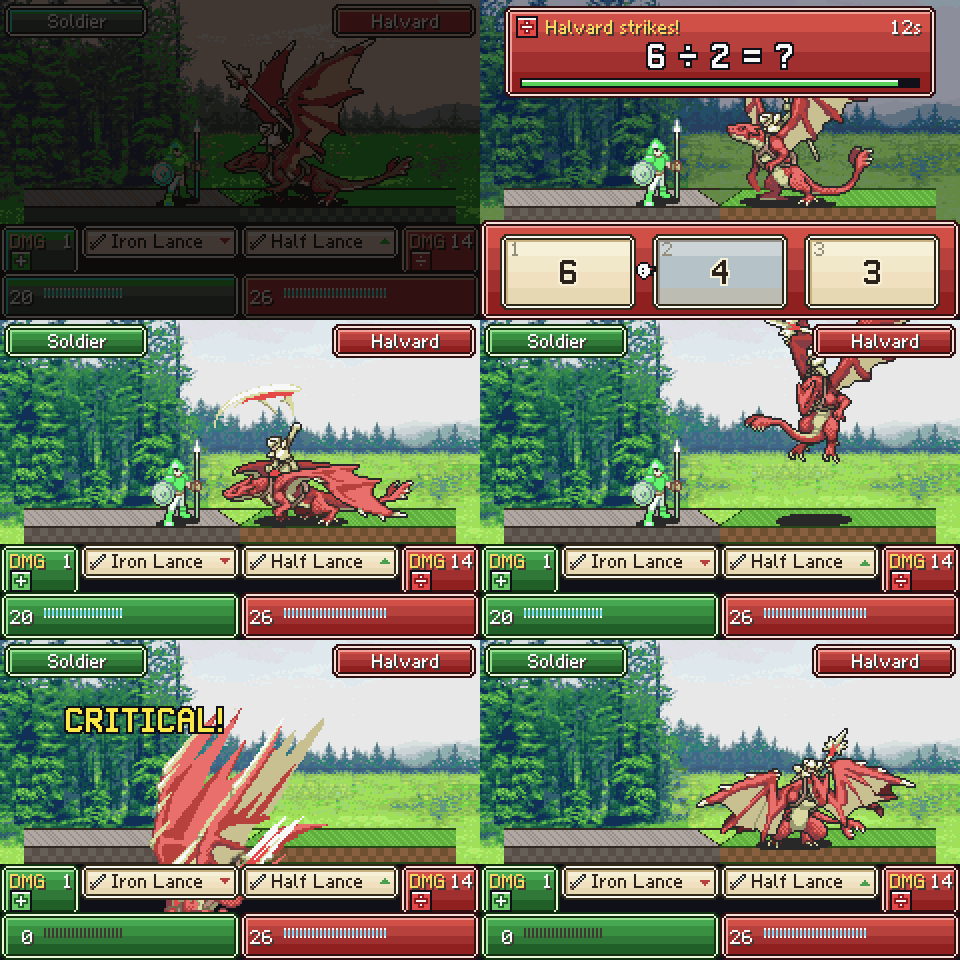
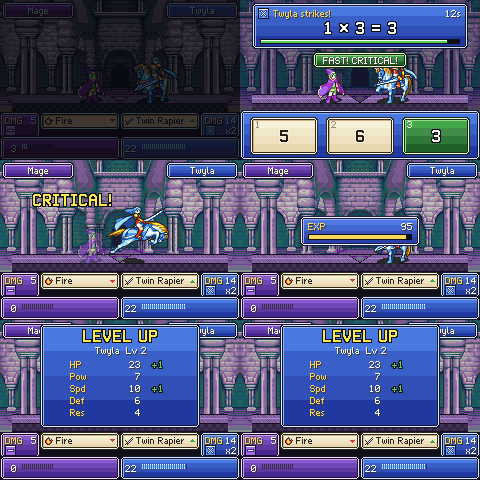
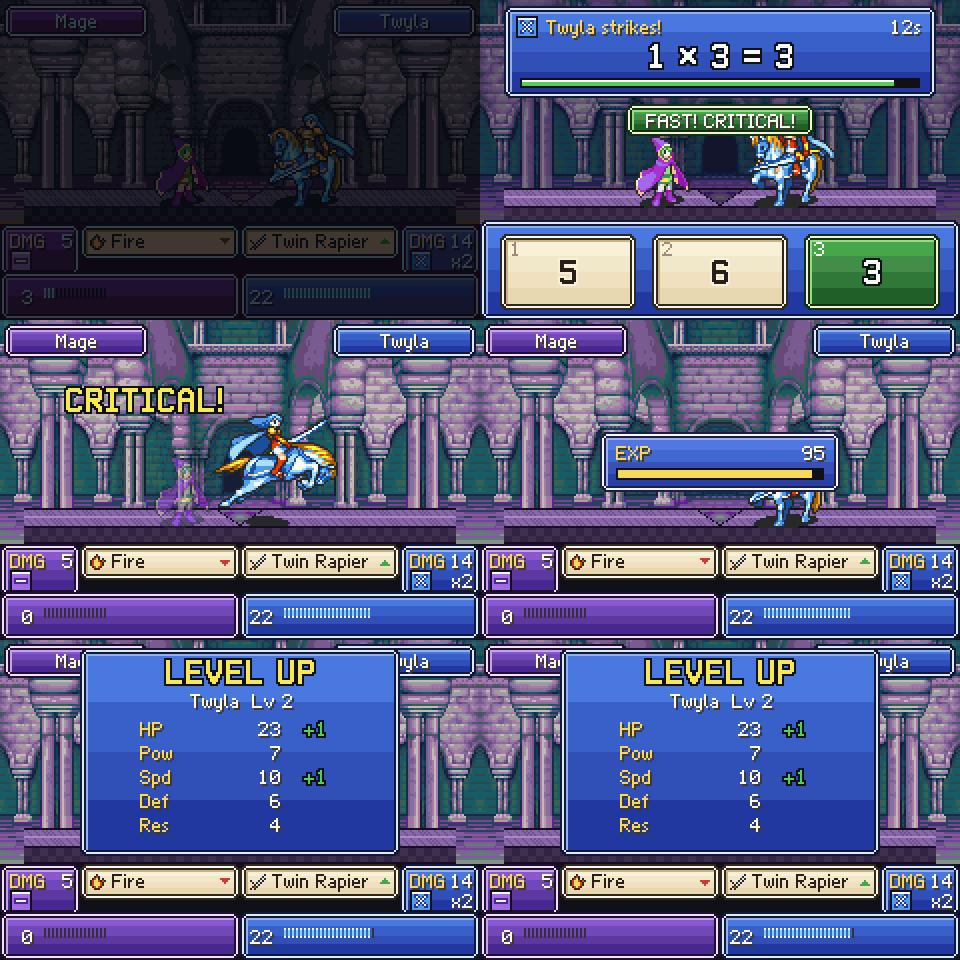
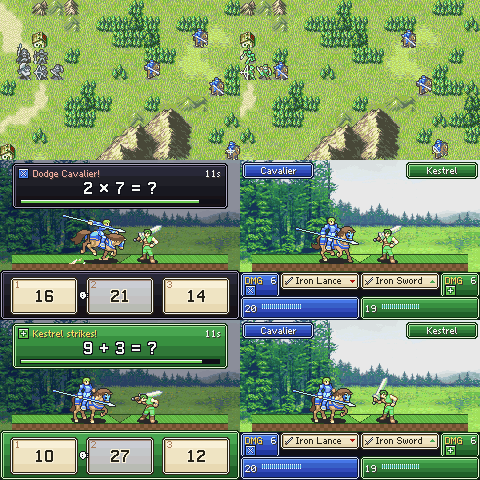
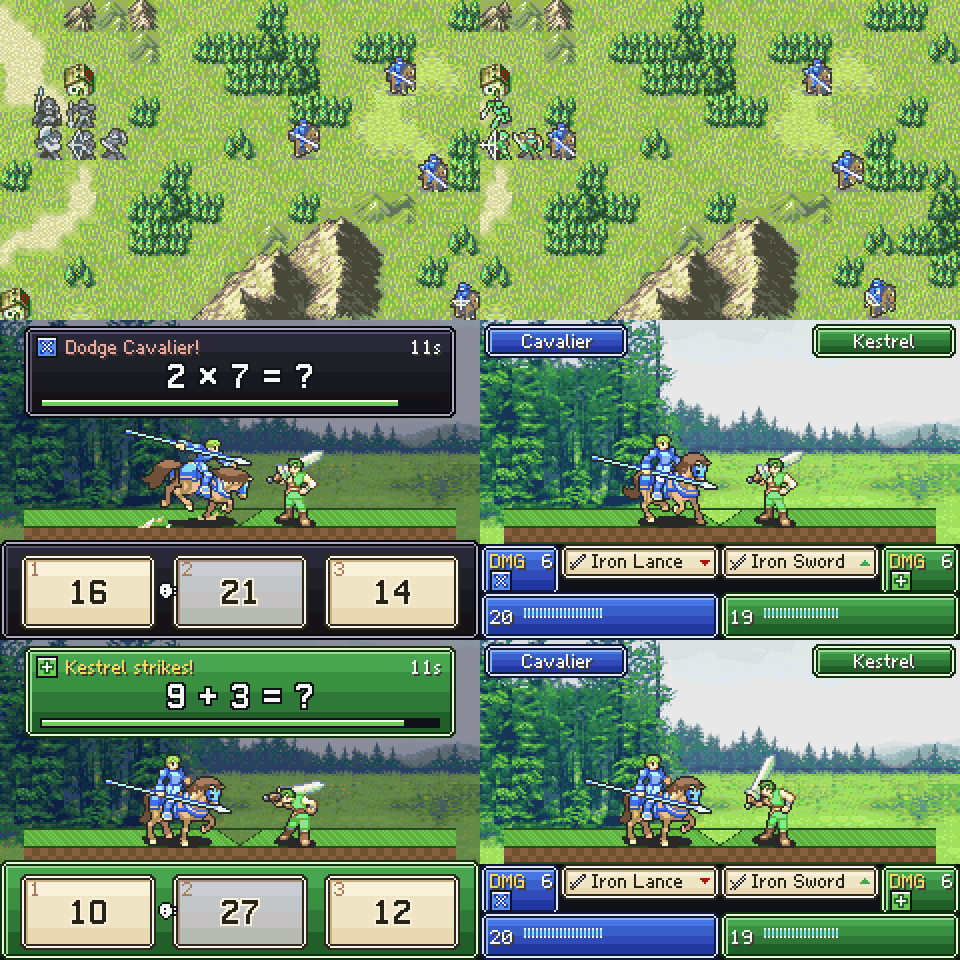
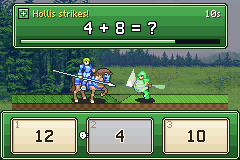
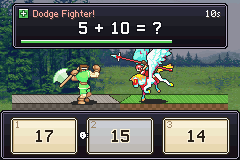
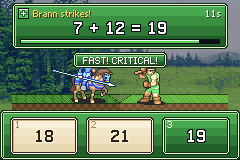
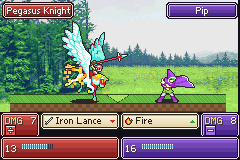
When two units clash, time slows down and a question appears. Answer right and the blow lands. Answer in three seconds and it’s a critical hit. When a foe swings at you, answer right to dodge.
I · Fact sheet
Fact sheet
Title
Math Emblem: The Equal Throne
Platform
Web browser (desktop & tablet)
Developer
Vincent (solo)
Release
Playable MVP, fan project
Price
Free to play
Genre
Tactical RPG, math learning
Ages
5–10, three number tiers
Math
+ − × ÷, one per house
Campaign
4 chapters, 4 playable houses
Units
29 unit types, 5 lords
Play time
About an hour per house
Controls
Touch, mouse, keyboard, gamepad
Players
1
Resolution
240×160 pixel art (GBA)
Language
English
Press
hey.vincent@icloud.com
II · Trailer
Trailer
66 seconds · 960×640, 30 fps · captured frame by frame from the game running in the browser, shown at 4× with nearest-neighbour scaling. Music and sound are the game’s own · trailer.mp4 (4 MB)
III · The game
The game
Short description
Math Emblem is a Game Boy Advance-style tactics game for kids where every blow is a math question. Lead one of four noble houses (Plus, Minus, Times or Divide) to the Equal Throne of Mathmatica. When units clash, time slows down: answer right to land your hit, answer fast for a critical, and answer right to dodge when a foe attacks.
Long description
For forty years King Aequus ruled Mathmatica from the Equal Throne. When he died without an heir, his Crown of Equals cracked into four sigils, and each great house took one. Now Addermere’s infantry, Multhorne’s cavalry, Minorvale’s magi and Dividrake’s wyvern riders all march on the capital.
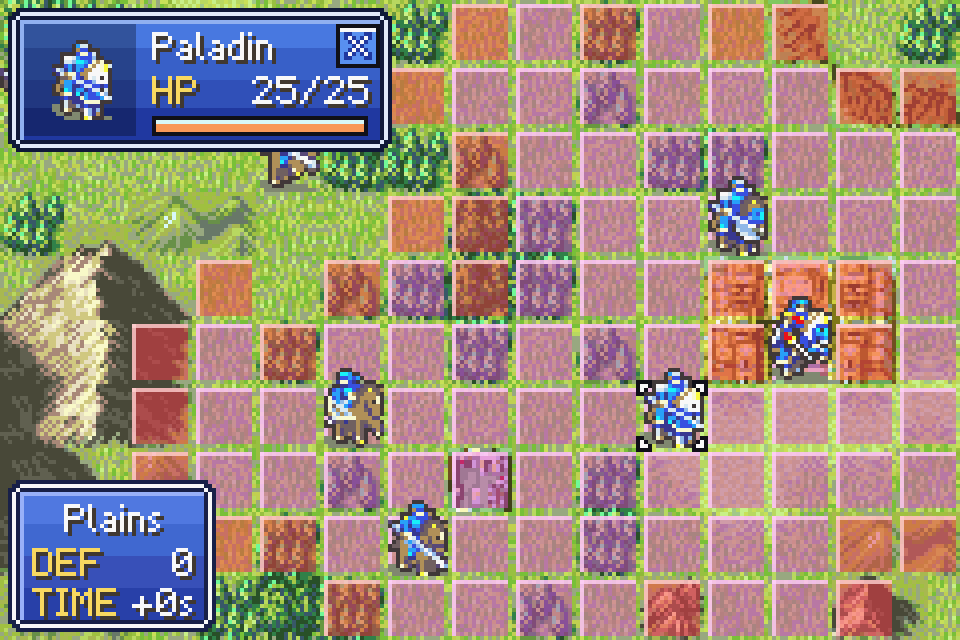
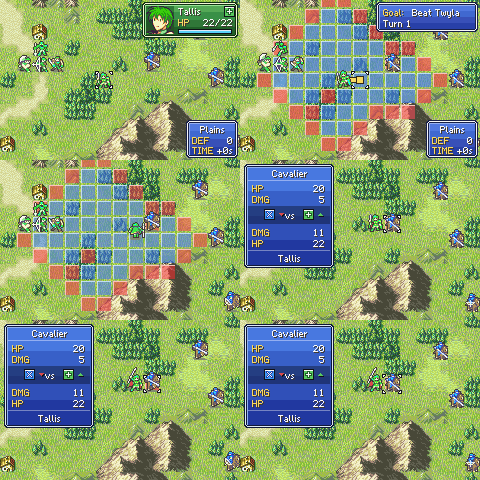
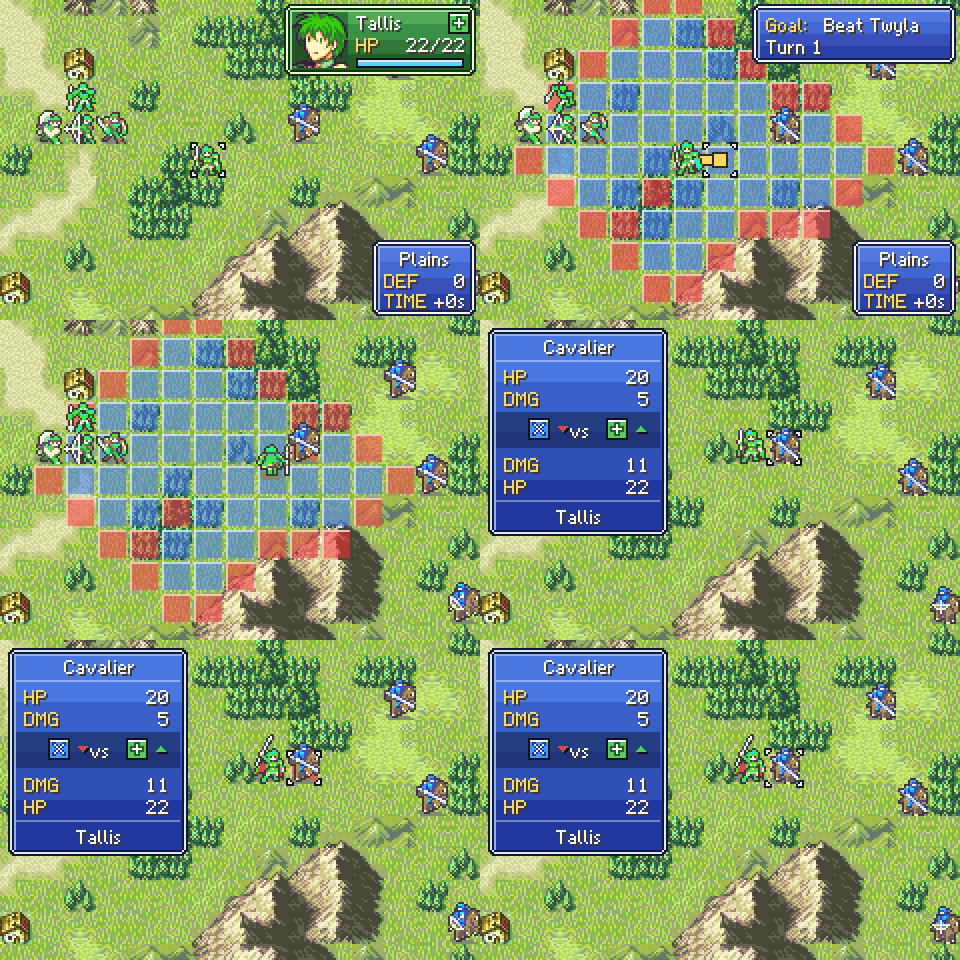
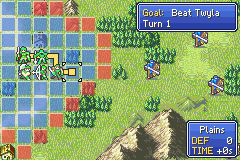
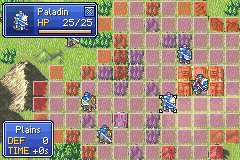
Pick a house and play its lord. The map is classic GBA tactics: place your army, move on the grid, read the terrain, and watch the forecast before you commit. Forests and forts matter, cavalry runs fast, and fliers ignore the rivers.
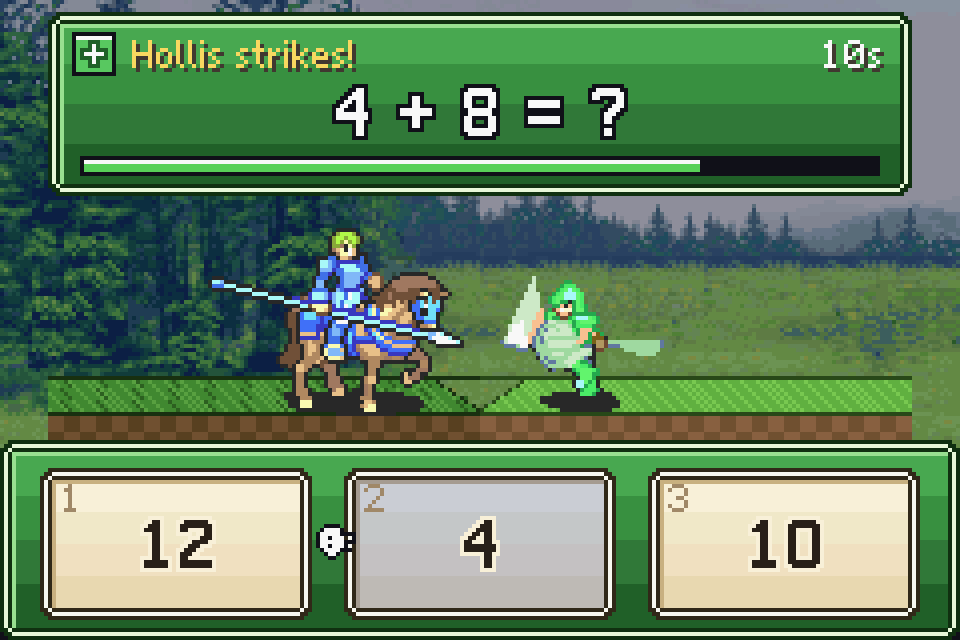
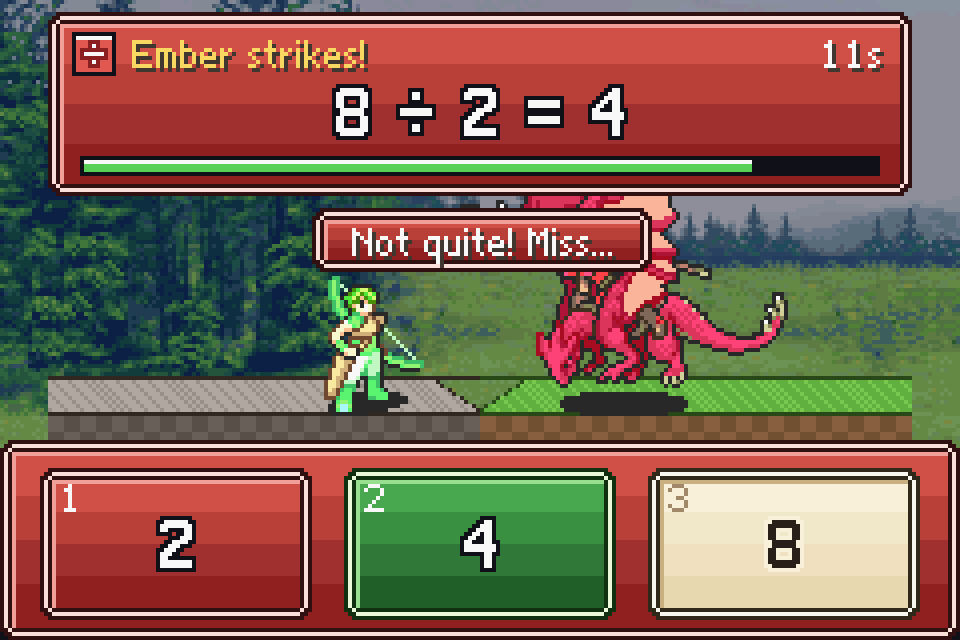
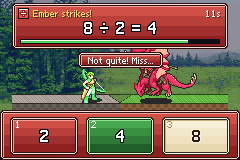
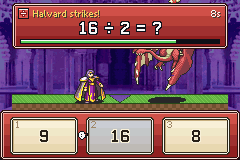
The fighting is where the math lives. When two units clash, the game cuts to the one-on-one battle scene, the attacker winds up, and time slows to a crawl while a question appears with three answers. Each house asks its own kind of question: Addermere adds, Minorvale takes away, Multhorne multiplies and Dividrake shares. Answer right and the blow lands. Answer within three seconds and it’s a critical hit. When a foe attacks you, answer its question to dodge.
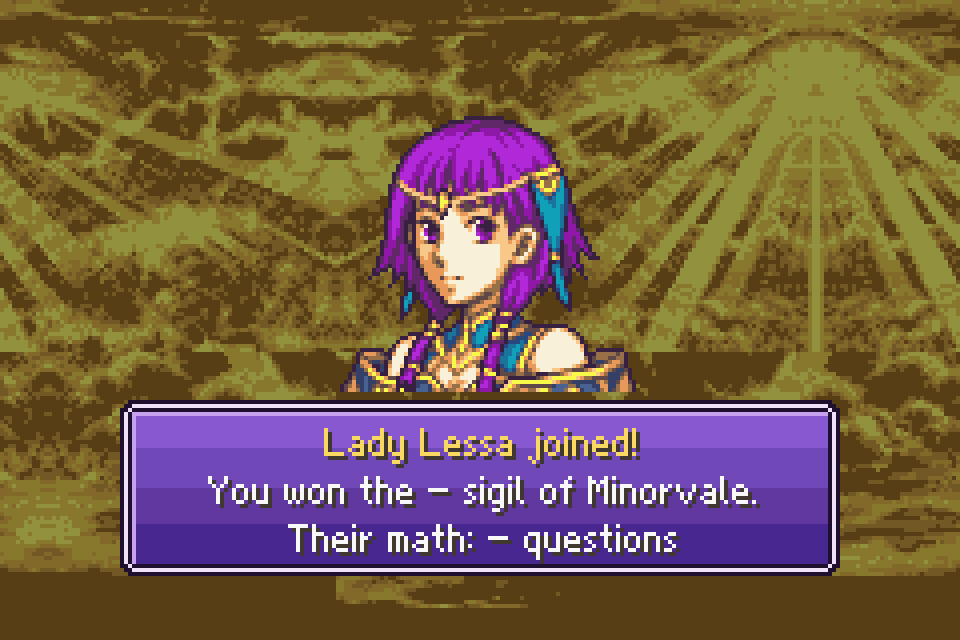
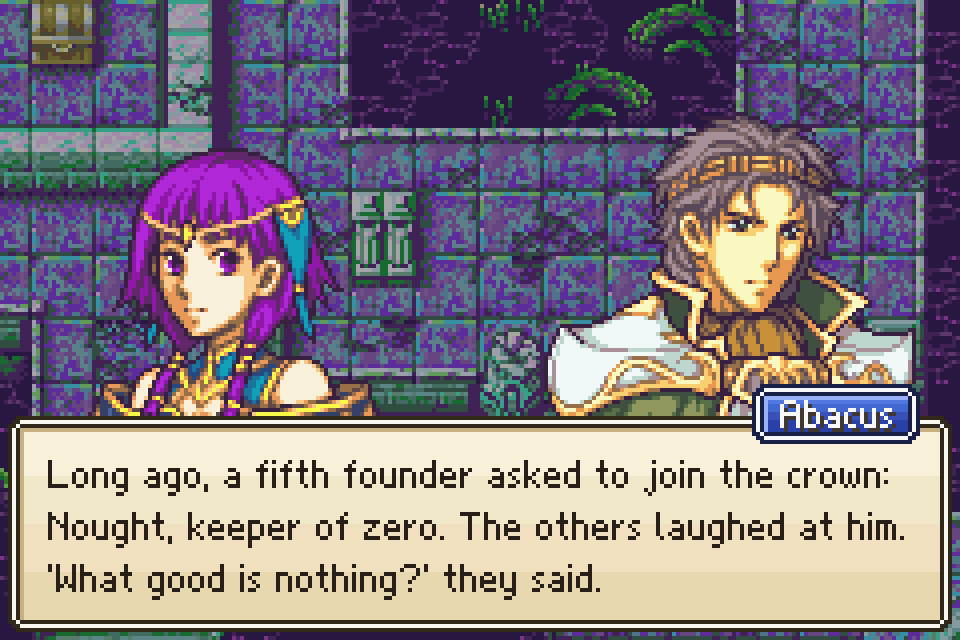
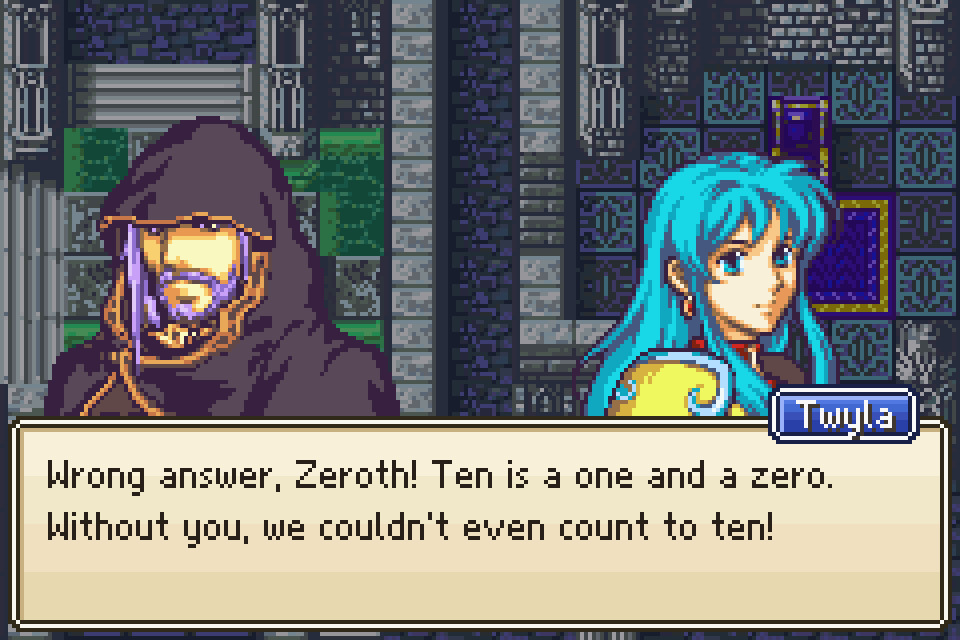
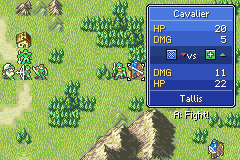
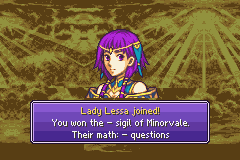
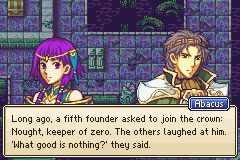
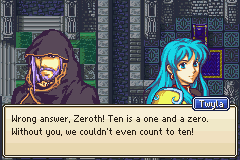
The weapon triangle becomes a four-house loop: plus beats times, times beats minus, minus beats divide, divide beats plus. Beat a rival house and its lord joins you, bringing a new kind of question and a clue about who really broke the crown. The trail leads to Zeroth, the Null King: once Nought, a fifth founder who was left out of the crown because “zero is nothing”. In the finale all four houses stand together, and the answer to the Null King is one every child can learn: ten needs a zero.
Three number tiers cover ages 5 to 10: sums to ten and doubles for Squires, times tables for Knights, and two-digit sums with full division for Paladins. The question timer can be relaxed or switched off.
The four houses
+AddermereGreen infantry · Sir TallisSum of Shields: +1 Def per adjacent ally
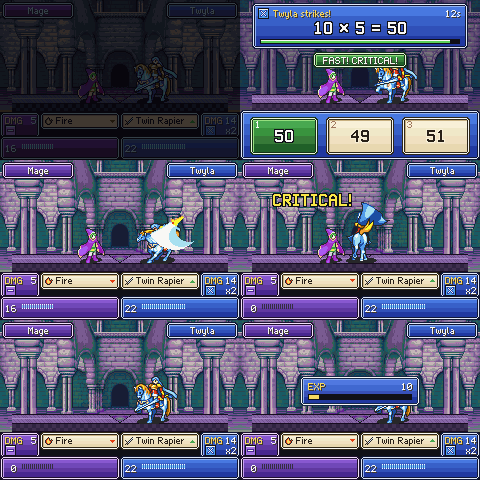
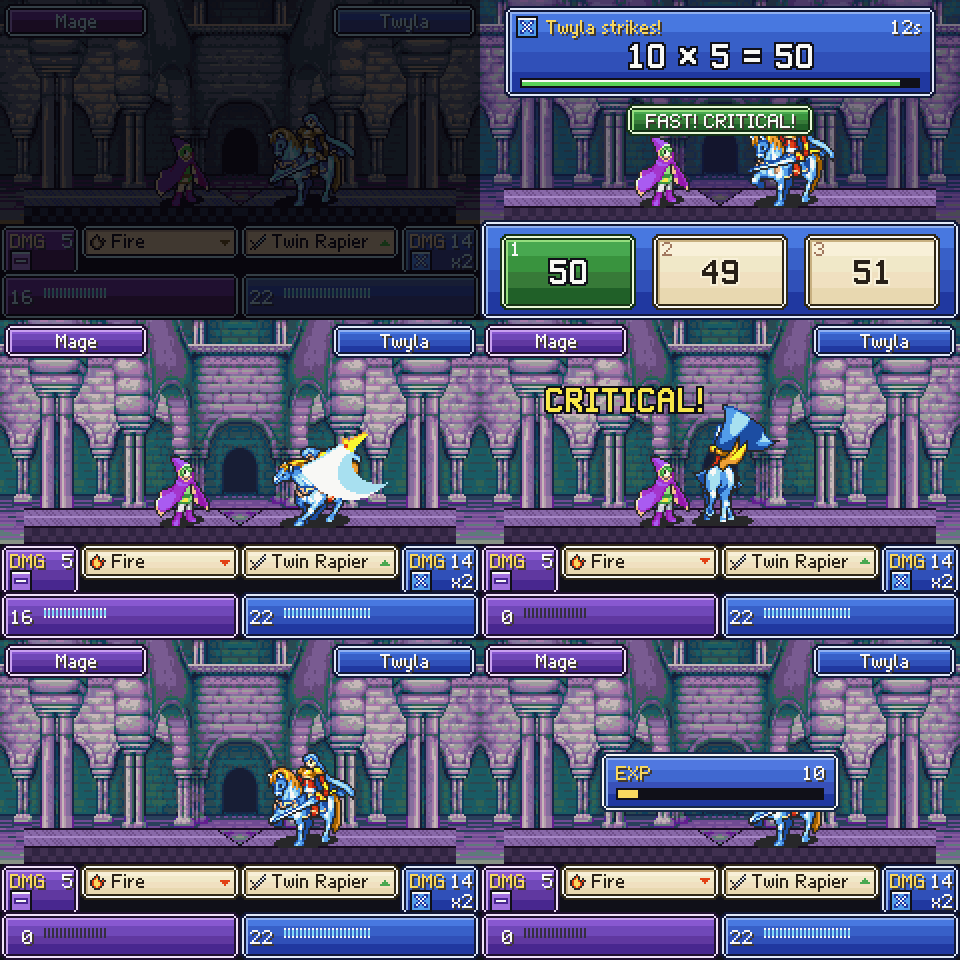
×MulthorneBlue cavalry · Lady TwylaTwofold: strikes twice more easily
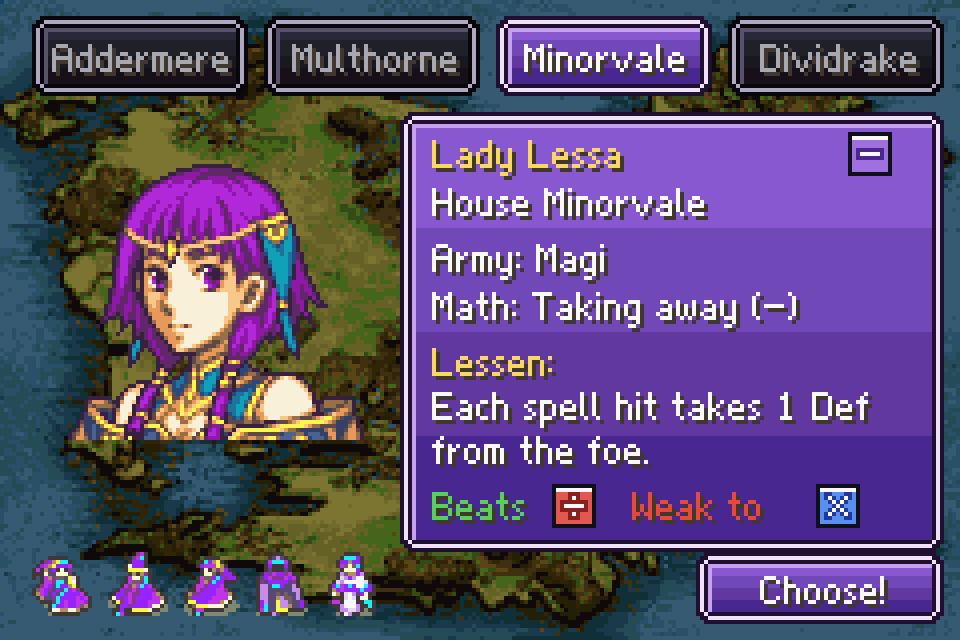
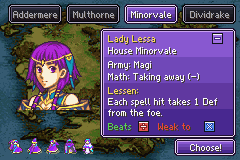
−MinorvalePurple magi · Lady LessaLessen: spell hits take away Def
÷DividrakeRed fliers · Duke HalvardSunder: foes lose their terrain bonus
The Math Duel. Every strike in the battle scene is a three-choice question. Time slows while the attacker winds up, so the blow lands just as the timer runs out.
Fast answers are criticals. Answer within three seconds for triple damage. Enemies never crit, so only the player gets that thrill.
Four houses, four operations. Each house asks its own kind of question, and recruited rival lords bring theirs with them.
A closed weakness loop. Plus, Times, Minus and Divide replace the sword, lance and axe triangle.
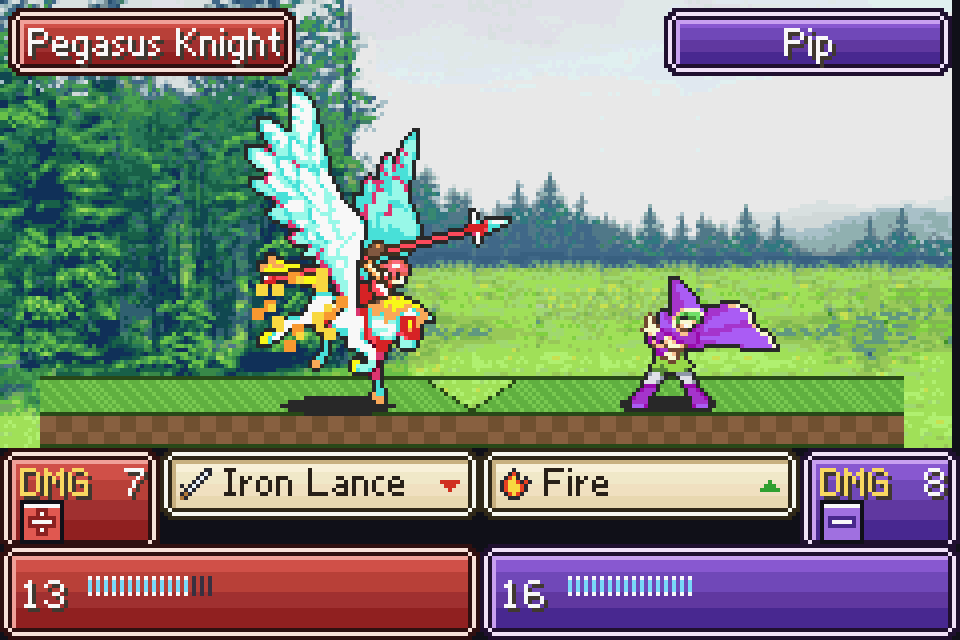
Real GBA battle animations. 29 classes from The Sacred Stones era, played from their original animation scripts and recoloured into the four house palettes.
Terrain is thinking time. Forests, forts and mountains add seconds to your dodge questions, the way they used to add avoid.
A complete story. A prologue, house intros, rival duels, boss quotes, a mystery told through clues, a finale about why zero matters, and an epilogue for every lord.
Built for kids. Three number tiers for ages 5 to 10, a Relaxed or Off timer, the right answer shown after a mistake, and units that retreat instead of dying.
Plays everywhere. Touch, mouse, keyboard or gamepad, in any modern browser, with progress saved after every chapter.
Pixel-perfect. Native 240×160 with bitmap fonts and GBA-style windows. Nothing is smoothed.
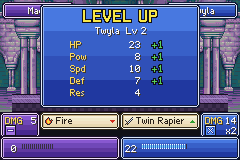
The real Sacred Stones sound effects. Hits, criticals, footsteps on each terrain, spells, arrows, the phase banner and the level-up fanfare are rendered from FE8's own sound bank, and each battle animation plays the same sound cues it plays in the original game.
An original chiptune score. Title, phase, battle, boss and ending themes, synthesised in the browser.
IV · How it plays
How it plays
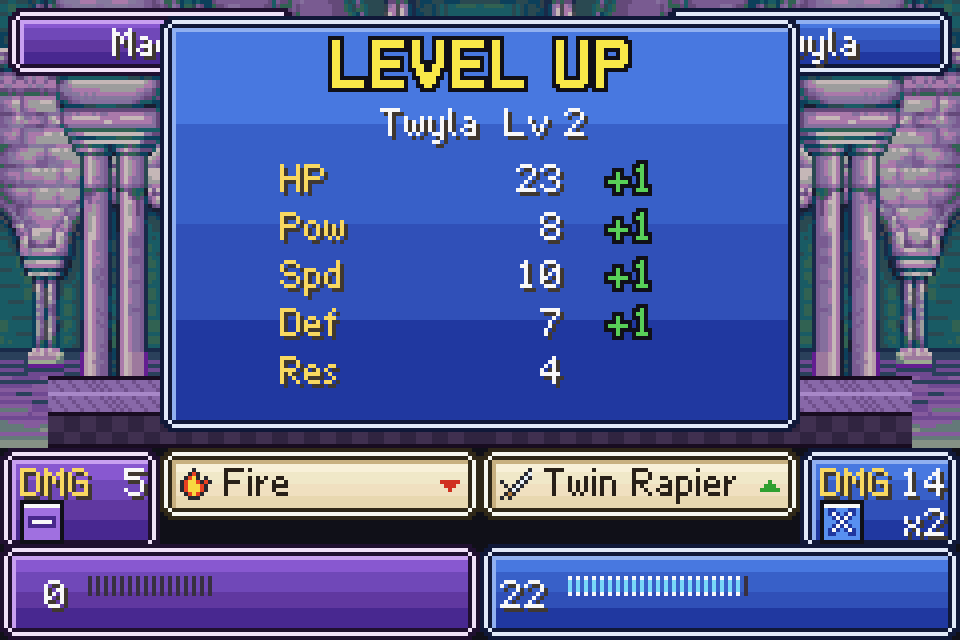
The Math DuelTime slows while you answer. Get it right and the blow lands. GIF · 2×Answer fastRight in under three seconds: a critical hit for triple damage. GIF · 2×DodgeWhen a foe attacks, answer its question to dodge. GIF · 2×Learn from a missA wrong answer shows the right one before the hit lands. GIF · 2×MagicLady Lessa's Elfire, cast from across the field. GIF · 2×WyvernsDuke Halvard dives on his red drake. GIF · 2×Level upEXP fills, stats climb, the classic jingle plays. GIF · 2×Move and forecastBlue to move, red to attack, and the forecast before you fight. GIF · 2×Enemy phaseMulthorne's cavalry charges. Every attack is a dodge question. GIF · 2×
Loops shown at 2×. Each has a 1× GIF (also in the press kit zip) and a 2× GIF.
V · Screenshots
Screenshots
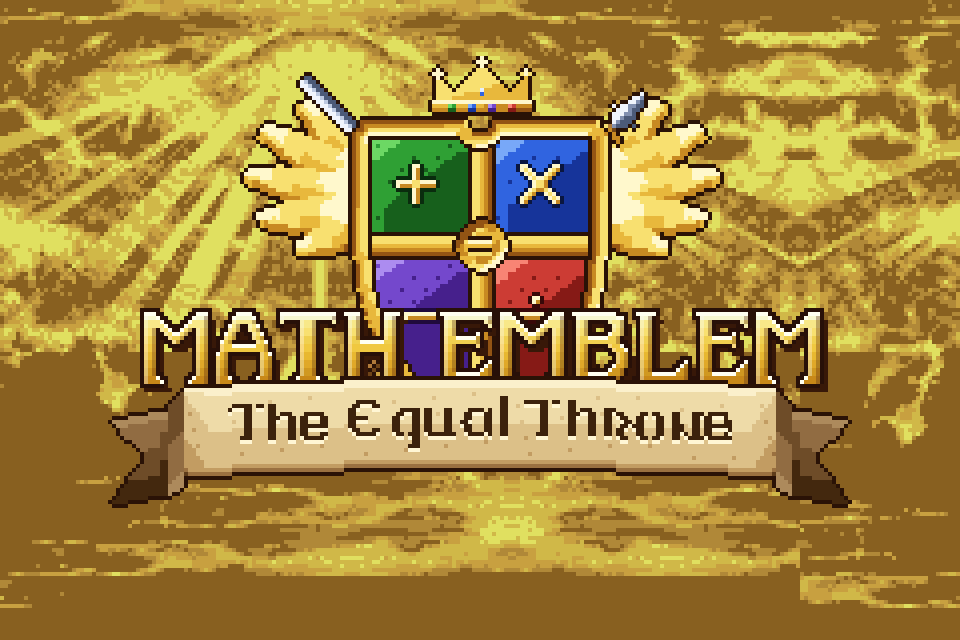
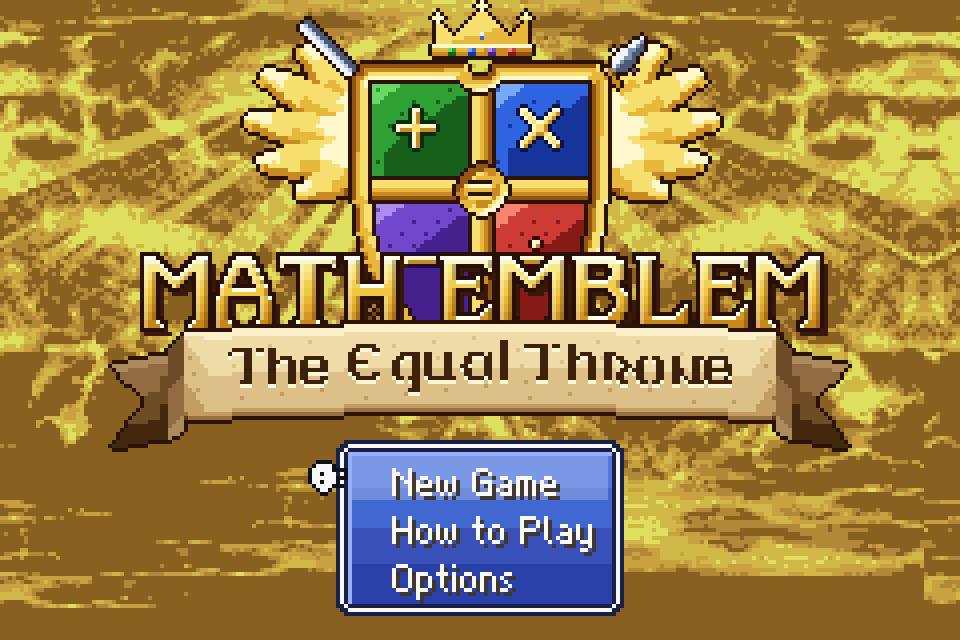
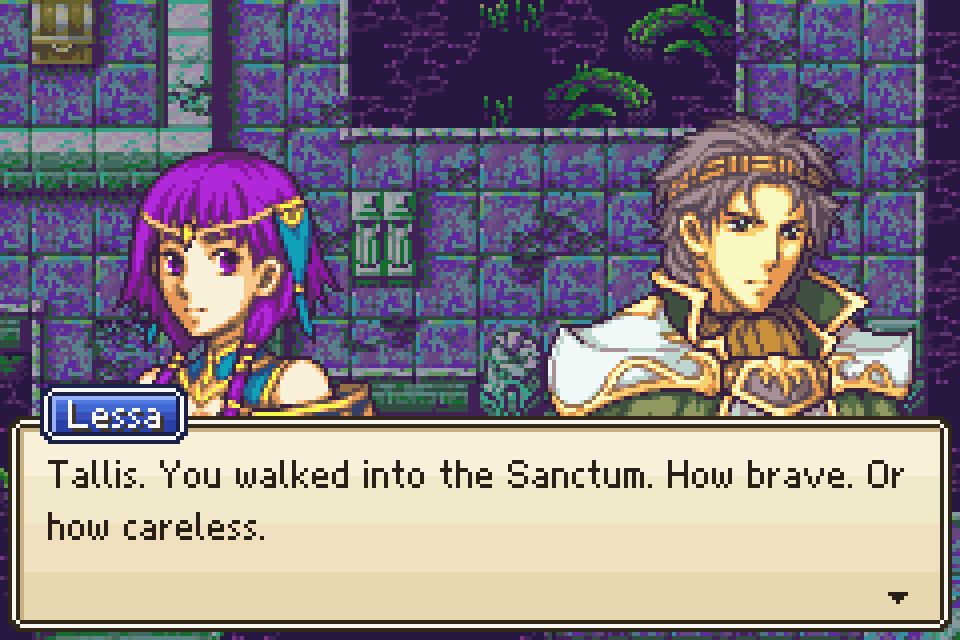
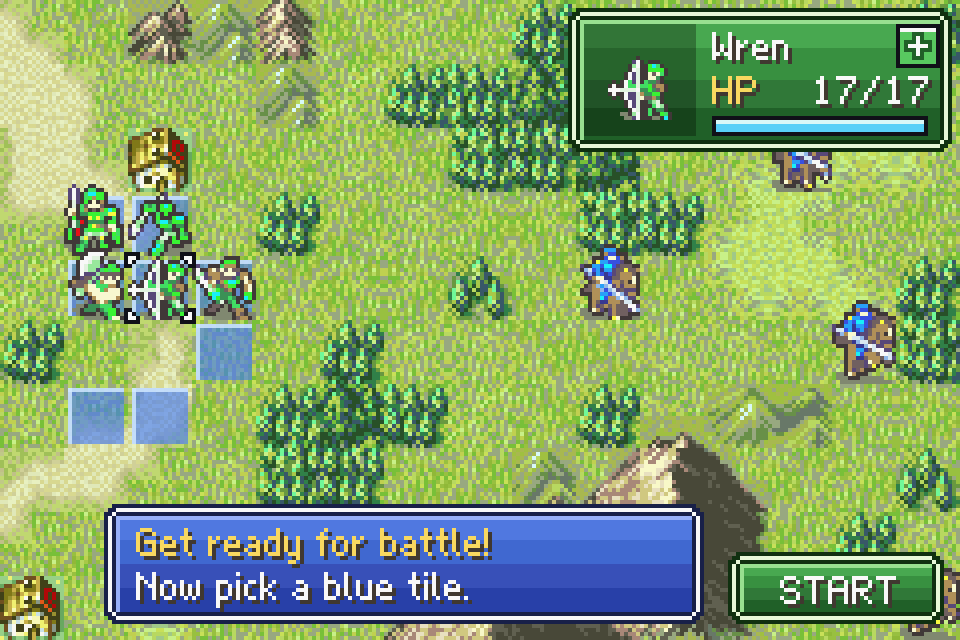
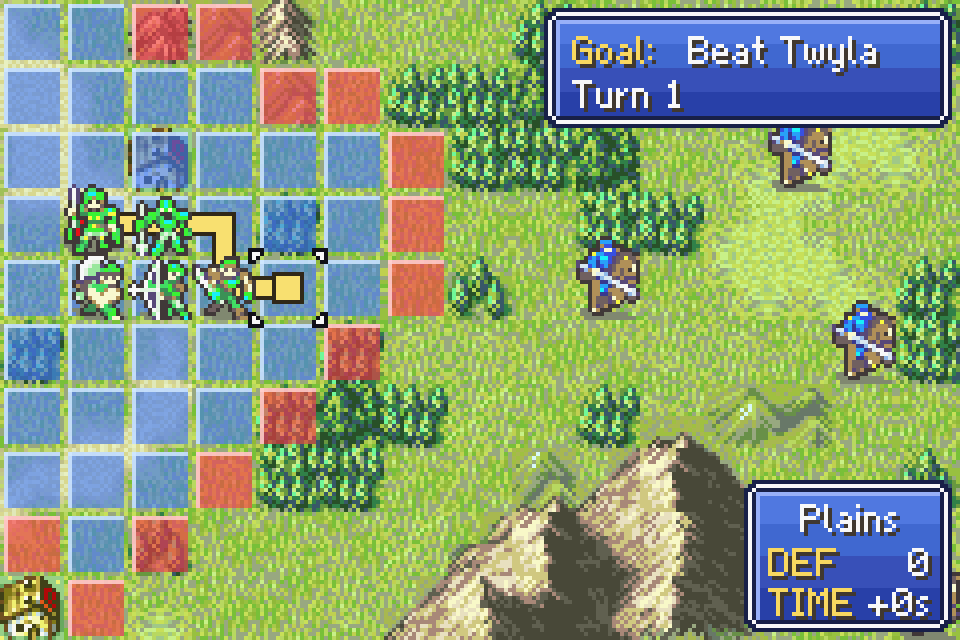
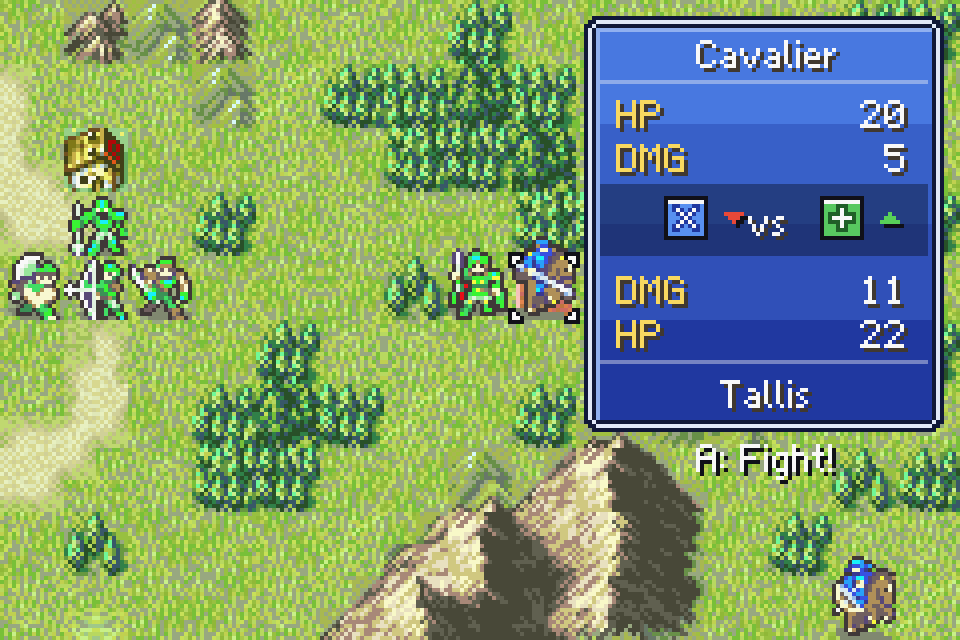
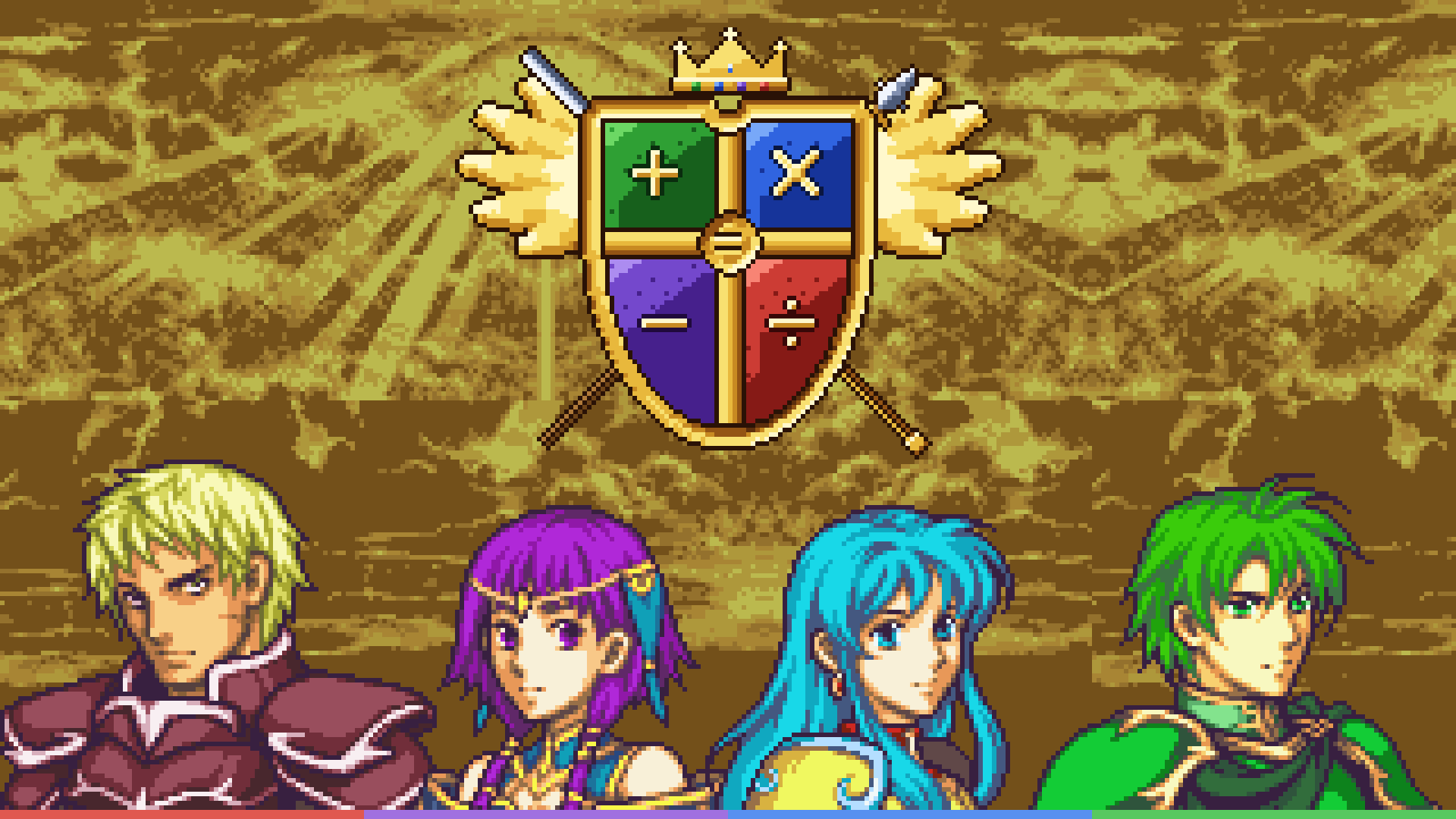
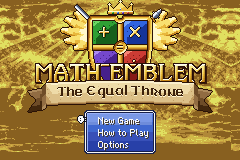
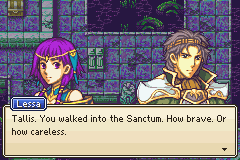
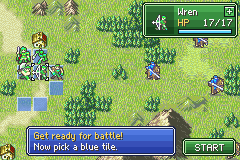
Title screen. The crest joins the four houses of Mathmatica. 1×House select. Minorvale's magi ask subtraction questions. 1×Lady Lessa welcomes you to the Minorvale Sanctum. 1×Prep. Place your army on the blue tiles, then press Start. 1×Blue tiles to move, red tiles to attack. 1×The forecast. Addermere's plus beats Multhorne's times. 1×The Math Duel. Time slows while Hollis's lance thrust creeps in. 1×A foe attacks. Answer its question right to dodge. 1×Answered in under three seconds: a critical hit. 1×A wrong answer. The right one lights up before the blow misses. 1×Pip casts Fire. Spells follow their original animation scripts. 1×Level up, the way the GBA games did it. 1×Check an enemy's danger zone before you move. 1×Beat a rival lord and they join your army. 1×The finale: Duke Halvard against Zeroth, the Null King. 1×Chapter 3's reveal: the forgotten fifth founder, keeper of zero. 1×The finale: Lady Twyla answers the Null King. 1×
Native 240×160, and 960×640 at 4× with nearest-neighbour scaling. Click a screenshot for the 4× version.
VI · Background
Why math duels
Math drills and tactics games ask for the same thing: a calm head and a quick answer under a little pressure. The Sacred Stones already has a moment where everything stops and the player watches a single blow play out. Math Emblem puts the question inside that moment. The animation slows, the question appears, and the answer decides the blow.
Hit chance is gone. There are no random rolls, so a child always knows why a blow landed or missed. The weapon triangle became a loop of the four operations, which quietly teaches that every operation has a partner and a counter. Terrain avoid became extra seconds, so a forest is worth standing in for a reason a child can feel.
Each house asks its own operation. A child who picks Minorvale practises subtraction for the whole first chapter, then meets multiplication when Multhorne’s lord joins the army. By the finale, the Null asks all four.
Art
The units, maps, portraits and backgrounds come from the community Fire Emblem Graphics Repository. The battle animations are driven by their original scripts: frame timings, hit frames, dodges and criticals. The four house colours are the four allegiance palettes the GBA games already used, so every sprite recolours cleanly. Everything else (fonts, windows, the HUD, the logo, the crest, the platforms and the spell effects) is new pixel art at native resolution.
Sound
The sound effects are the real ones. FE8's sound bank (its SoundFont and song data) was rendered sample by sample, and each battle cue in the original animation scripts is mapped to the same sound ID the game uses, taken from the community decompilation. Footsteps change with the terrain, swings and hits land on the right frame, and the level-up fanfare, phase banner and chapter jingle are the originals. Menu blips, which the GBA made on its square-wave chip, are recreated with matching pulse waves.
The score is original chiptune: square-wave leads, triangle bass and noise drums, in the spirit of a GBA soundtrack, with title, player-phase, enemy-phase, battle, boss and ending themes synthesised in the browser.
Plant_Academy (Ephraim, Eirika), UltraFenix and Nickt (Great Lord Eirika), Nuramon and Garytop (Lute), Nuramon (Cormag, Saleh), CaringCarrot (Lyon)
Maps
Aura Wolf (Knights, Mages and Nobles map packs)
Title art
Seal and the Sacred War team (title sky, chapter card, world map)
Sound effects
Intelligent Systems (FE8), via the FE-Repo-Music SoundFont rip; cue mapping from the fireemblem8u decompilation
Math Emblem is a free, non-commercial fan project made for children to practise arithmetic. It is not affiliated with, endorsed by or sponsored by Nintendo or Intelligent Systems. Fire Emblem and all related characters and sprites are trademarks and copyrights of Nintendo and Intelligent Systems. Community sprites are used under the free-to-use terms of the FE Graphics Repository, with credit to their artists.
 Math Emblem · Press kit